High-rent crisis: Workers can’t afford to live here

High-rent crisis: Workers can’t afford to live here

 DICK HOGAN, DHOGAN@NEWS-PRESS.COM8 a.m. EDT October 1, 2015


(Photo: Andrea Stetson/news-press.com)

Population growth, rising land prices and stagnant wages are making Southwest Florida, and around the state, one of the toughest places in the country for renters to make ends meet, according to a study released Thursday.

“Florida has the highest number of renter households in the U.S. paying unaffordable rent, with nearly 1 in 3 renter households in Florida’s top ten metro areas paying at least half of their household income (before taxes) toward rent and utilities,” according to the survey by nonprofit Los Angeles-based Make Room.

Southwest Florida is no exception: 28 percent of the Cape Coral-Fort Myers area’s renters are “severely burdened” by the high cost of renting.
Younger renters are bearing the brunt of the crisis: 6,223 people from 18-34 were severely burdened, compared to only 4,257 ages 50-64.

Statistics released recently by Carrollton, Texas-based ALN Apartment News show how rental prices have escalated: for apartment complexes of 100 or more units in August, the Fort Myers area has an average monthly rental cost of $1,083 – up 14.1 percent from a year earlier.

The market is stretched tight, according to ALN, which tracks rental statistics across the country: this market has an occupancy rate of 96.4 percent, up 0.6 percent over August 2014.

Statistics weren’t available from ALN or Make Room for the Naples area but the crisis there likely is even worse, said Steve Sanderson, executive director of the United Way of Collier County.

“We have many hard-working individuals who I regret to say are just one paycheck away from a major challenge,” he said. “Their car breaks down or a health issue or another issue they have to take care of. And part of the reason is that what they’re spending on housing in our market compared to other places in the country is significantly more. And because of that, they have significantly less money to spend in other areas of their lives.”

United Way is holding a forum and luncheon today at the Hilton Hotel in Naples on the issue of workforce housing in the increasingly pricey county.


A whopping 28 percent in Cape Coral-Fort Myers are “severely burdened” by the high cost of renting. The first residents of Colonial Commons are moving in this week. (Photo: Andrea Stetson/news-press.com)

Christopher Westley, director of the Regional Economic Research Institute and professor of economics at Florida Gulf Coast University, said the lack of affordable workforce housing threatens future economic development as employers from out of town eye this area as a potential place to operate.

“One thing recruiters want to know is ‘Can our workers afford to live down there?’ ” he said.

The aftershocks of the recession are also keeping the rental market tight, he said. “I think a lot of people are choosing to rent because they had such a bad experience with the housing market crash and they’re wary of committing” to home ownership.

Connect with: @DickHogan (Twitter) or email dhogan@news-pres
Mount Laurel Decision

Mount Laurel Decision

The Mount Laurel Decision is a judicial interpretation of the New Jersey State Constitution that requires municipalities to use their zoning powers in an affirmative manner to provide a realistic opportunity for the production of housing affordable to low and moderate income households. The decision was a result of a lawsuit brought against the town by the N.A.A.C.P. that was decided by the New Jersey Supreme Court in 1975 and reaffirmed in a subsequent decision in 1983.

The history behind this, and the story leading to the Decision was highlighted in a book by David L. Kirp called Our Town.]

Mount Laurel was a small, poor rural farming community until it was hit with massive suburban growth from Philadelphia in the later 1900s. Poor families, whose history had resided there for centuries, were suddenly priced out of buying additional property. The massive rise in property values gave such families a windfall profit. In 1970, at a meeting about a proposal for affordable housing, held at an all black church in Mount Laurel, Mayor Bill Haines summed up the newcomers perspectives by saying “If you people can’t afford to live in our town, then you’ll just have to leave.”

Even though the poor black families in Mount Laurel were not from urban ghettos, and were not involved in gang activity, the new suburban influx thought otherwise, and significantly delayed the creation of affordable housing, citing concerns of gang activity and an influx of inner city criminals. Exampled comments from town meetings against being forced to build housing projects in their town included “we need this like Custer needed more Indians”; “it’s reverse discrimination”; “we lived in this in South Philly and Newark” they said, and that the housing would be a “breeding ground for violent crime and drug abuse”.

Resident advocates of the housing were treated with abuse and threats. Leading advocate Ethel Lawrence, a poor black resident who lived her life in Mount Laurel, had her house repeatedly vandalized, and once her bedroom window was shot at. Longtime white residents also turned to try to force the poor blacks out of town. Although the court ruled in favor of creating affordable housing, residents did manage to delay the process for decades.

Pockets of Orlando see home prices return to peak

Pockets of Orlando see home prices return to peak

Home prices in some areas of Central Florida have returned to pre-crash levels.

Economists projected during the housing bust that Metro Orlando home prices would take three decades to recover to peak levels. A few pockets of the region, though, have already shown signs of full recovery.

Median home sales prices in parts of downtown Orlando, Maitland, Windermere, Longwood, Dr. Phillips and Lady Lake have returned to pre-crash levels of mid-2007, according to an Orlando Sentinel analysis of public-record sales data provided by Zillow. In addition, data from Orlando Regional Realtors and other reports reflect full recovery for several of those areas.

Map: Orlando-area home price changes

The top recovery market within all of Orange, Seminole, Lake and Osceola counties is the downtown Orlando ZIP code of 32801, which includes parts of Thornton and Delaney parks.

“Millennials are flooding into the market. They know the market is going up,” said Orlando real estate broker Dusty Sutton. “All the Millennials want to be downtown, as well as business professionals who get tired of driving and empty nesters who like the vibrancy of downtown and don’t want the big house and the big yard.”

Popular opinion seems to be that Millennials prefer renting to owning, but Sutton said she found buyers in their 20s and early 30s have been the main shoppers at downtown-area open houses.

BUSINESS

What’s old is new again: 10 pre-WWII homes for sale in Orlando

Overall, the comeback stories for Orlando neighborhoods have been based on supply and demand. Few houses, for instance, are available in core downtown neighborhoods with walkability and entertainment for Millennials. And demand for renovated houses in areas known for good schools has boosted prices in Maitland. Meanwhile, large supplies of condominiums in parts of southwest Orlando have slowed price recovery there, real estate agents say.

CAPTION11301 Bridge House Road, Windermere

Zillow

On the Butler chain of lakes and nicknamed “Overjoy” this scenic waterfront property has five bedrooms, nine bathrooms and 10,155-square-feet of living space. The estate is listed for $7.9 million.

CAPTION11301 Bridge House Road, Windermere

Zillow

On the Butler chain of lakes and nicknamed “Overjoy” this scenic waterfront property has five bedrooms, nine bathrooms and 10,155-square-feet of living space. The estate is listed for $7.9 million.

In downtown, single-family-home shoppers now face a midpoint sales price of $307,500 — about $6,000 higher than the peak. Prices for the limited supply of properties had dropped only 27 percent from a peak of $301,700 in 2007, bottoming out at $220,800 in January 2012. In comparison, houses throughout Central Florida lost more than half their value during that time.

As for the condominiums of downtown Orlando, they have not reached peak-market prices but have gained value as downtown landlords continue to hike rental rates. One-bedroom apartments in the area commonly lease for $1,500 a month. Condo prices have sprung back to a midpoint of $198,100 after dropping to $124,500 over a four-year period, according to public sales data from Zillow, but remain short of the peak price of $258,800.

Other areas returning to peak-market residential prices, with percentage gains since their low points:

  • Maitland/Eatonville (32751), up 44 percent to $287,450.
  • Windermere (34786), up 21 percent to $386,750.
  • Longwood/Lake Mary (32779), up 9 percent to $276,910.

Stories of full recovery aren’t the norm for Central Florida. Zillow’s sales records show that only six of Metro Orlando’s 64 ZIP codes have bounced back. And the Orlando Regional Realtor Association has reported that median prices in the core Orlando market last month were $182,000 — about $76,000 below the heady days of 2007. But median prices have doubled from the depths of 2011.

During the summer, Winter Park real estate agent Maria Van Warner sold a Maitland house for several hundred thousand dollars more than it sold for a decade ago when prices neared their 2007 bursting point. Demand for the neighborhood was so high Van Warner had to find, for her buyer, a house that wasn’t even listed for sale. Even though it had been renovated, the sale still indicated that particular market has bounced back, she said.

“It’s because of supply and demand,” Van Warner said. “There’s not a lot available. That neighborhood holds its value more than other areas because of the schools, the sense of community and kind of the safety. It’s kind of old-school USA.”

The slowest areas to recover have been areas southwest of downtown Orlando, Pine Hills and Oak Ridge, according to data from Zillow and the Orlando Regional Realtor Association.

Southwest of downtown Orlando, prices in the ZIP code 32811 have suffered because of a glut of condos on the market nearby in the MetroWest development, said Marcelo Saucedo, a broker with listings in the area.

With so much competition, he said, buyers are able to shop for the most affordable prices. Median prices in that area are $75,400, far less than half of their $208,000 peak eight years ago.

“The majority of people in the MetroWest area don’t care if they’re in an condo, apartment or townhouse,” Saucedo said. “They just want access to jobs but they can’t afford places like downtown and Lake Mary.”

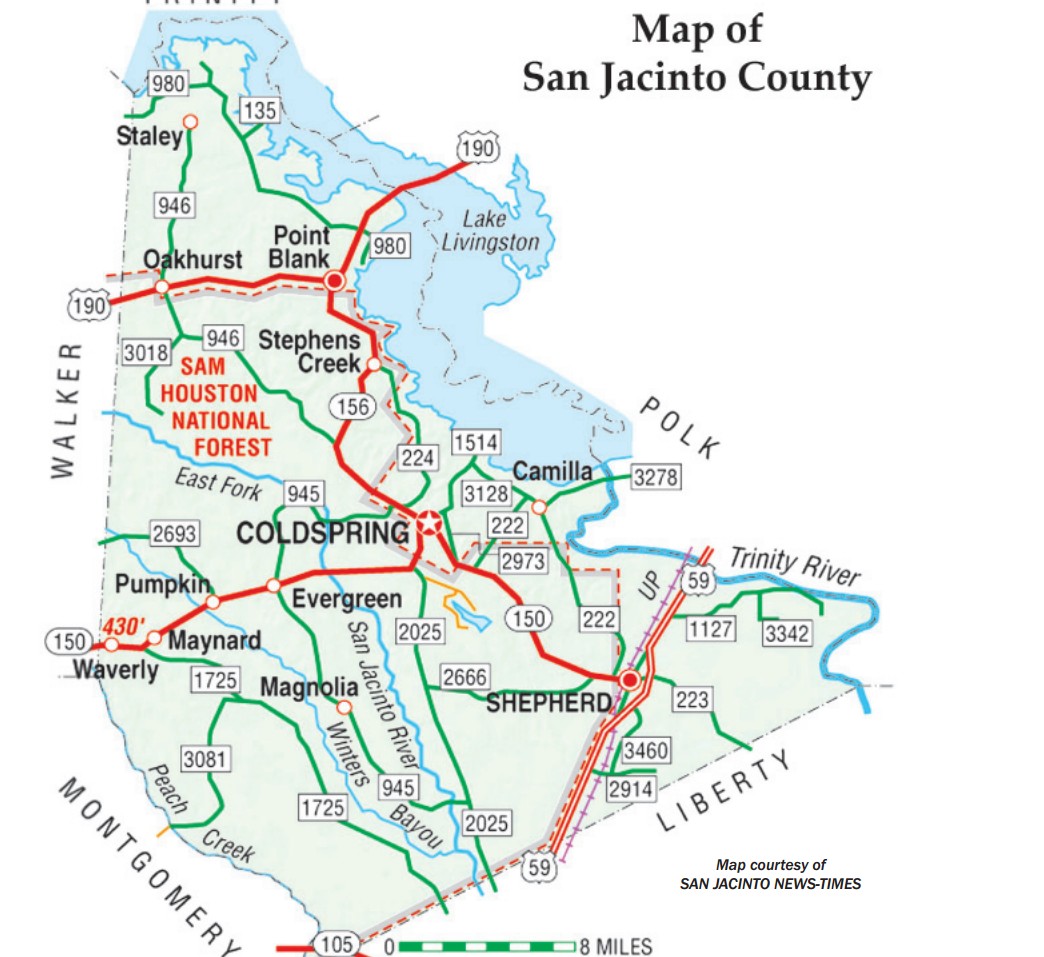
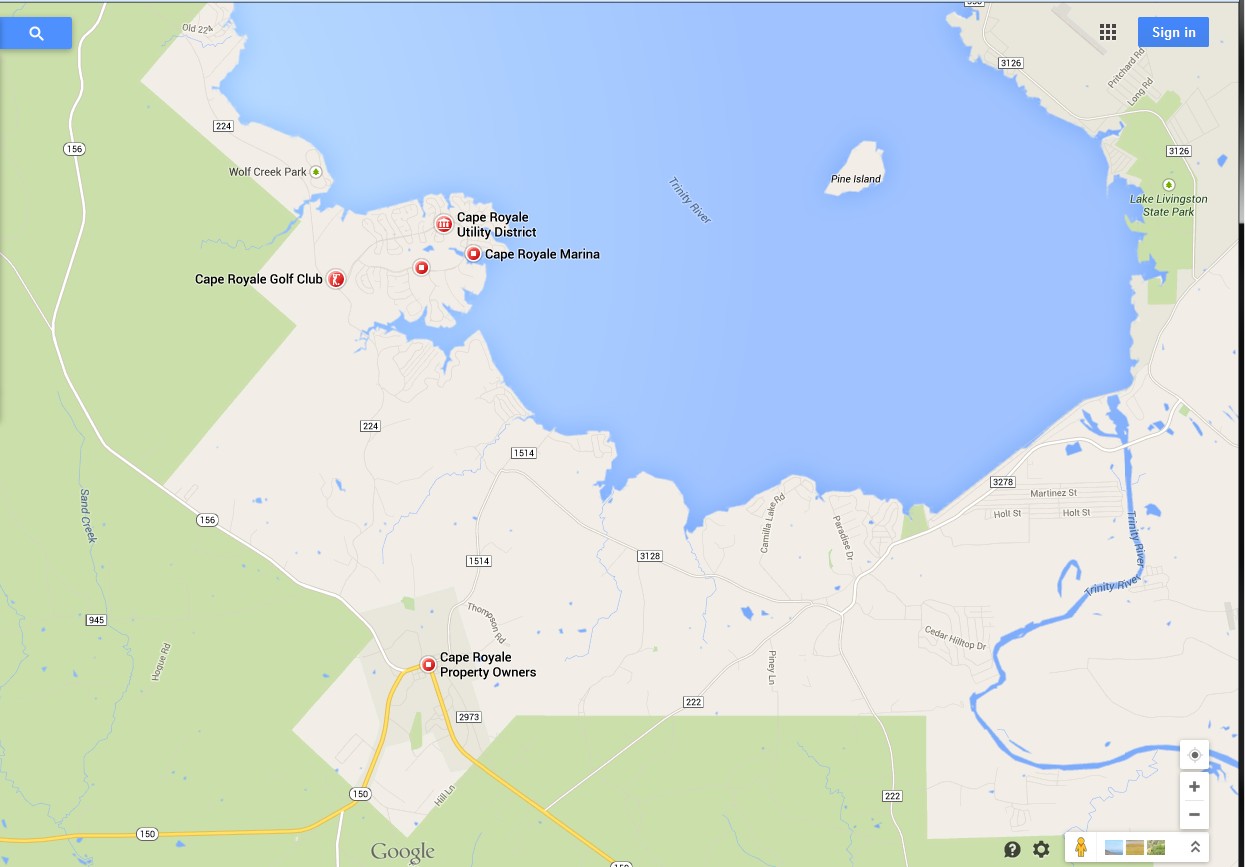
Cape Royale, San Jacinto County, Texas

BEAUTIFUL CAPE ROYALE SINGLE FAMILY LOTS,

Coldsprings, Texas

SAN JACINTO COUNTY, TEXAS

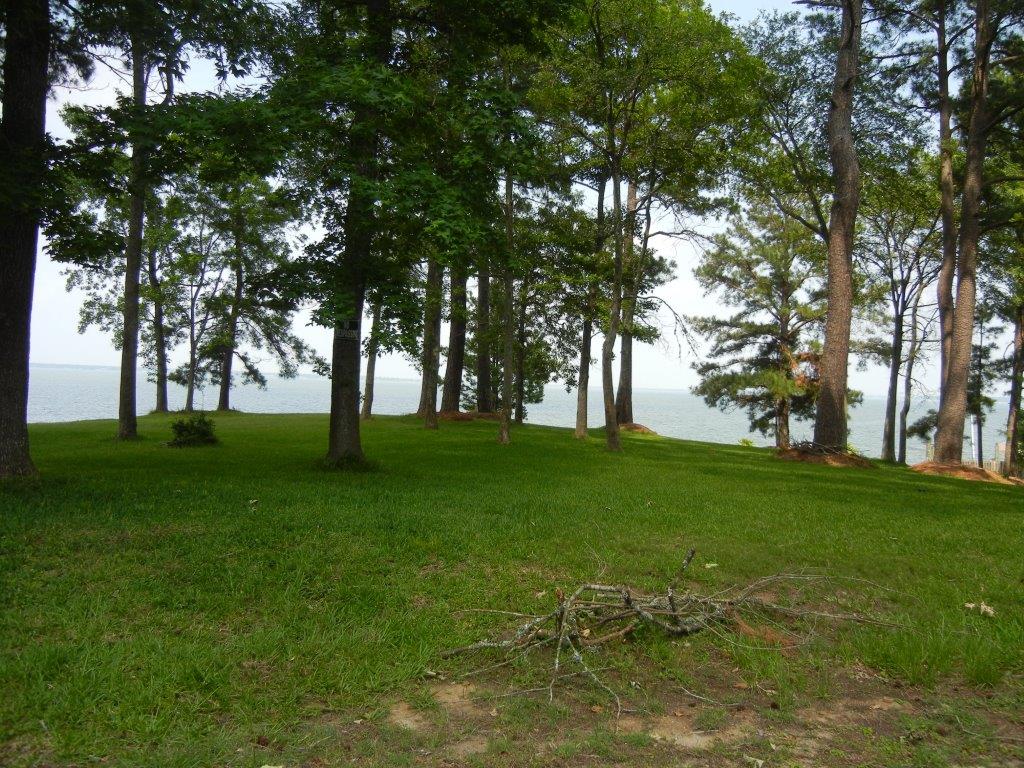
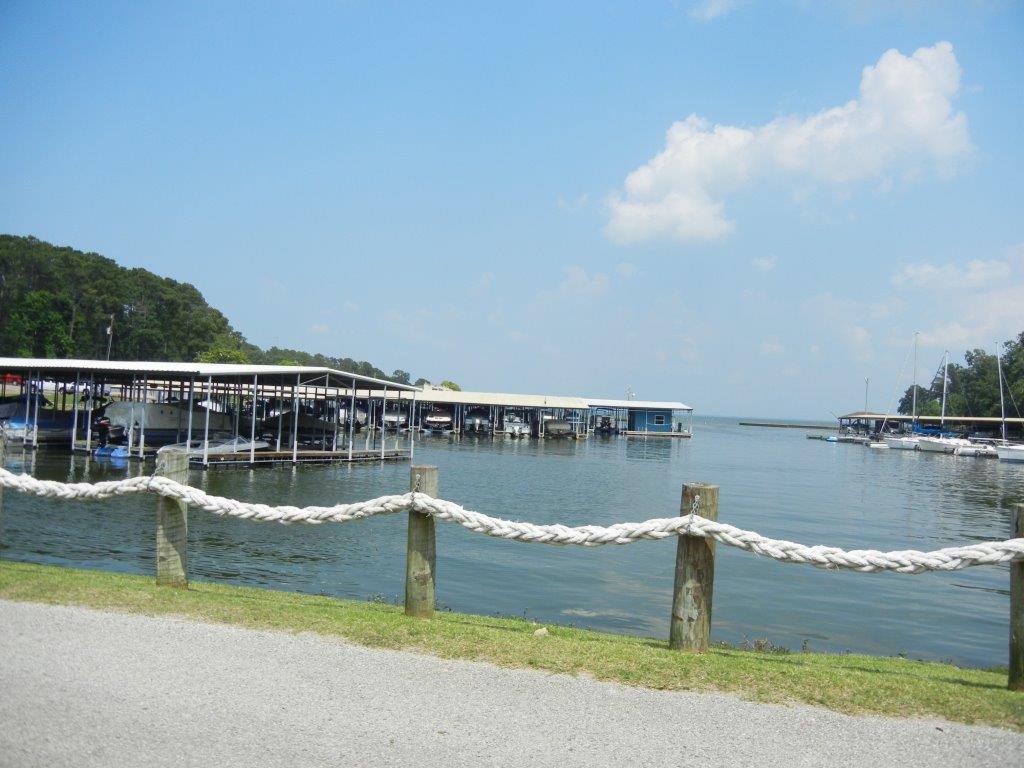
Just  great lots in a fabulous gated community.

ScreenHunter_4347 Jan. 06 16.05ScreenHunter_4343 Jan. 06 16.03

Beautiful Single Family Wooded Lots
San Jacinto County
Coldspring, TX

Cape Royale Greens San Jacinto County, Texas
Cold Springs, Texas

Annual POA dues $395.00

Taxes will be adjusted at closing

Full Utilities available to property
Visit the Cape Royale Property Association at http://www.caperoyale.org/
Cape Royale Property Owners Association

Sandra McQuiggan

936-653-3233

#6 Sales Drive,

Coldspring, TX

Here is list of available lots:

San Jacinto County, Texas
PIDN Address Lot, Block, Section Acres
52421 62 Fairway Loop Lot 15, BL 1 of Cape Royal Greens, Royal Greens 0.193
52448 80 Royale Greens Drive Lot 42, BL 1 of Cape Royal Greens, Royal Greens 0.212
52442 60 Royale Greens Lot 36, BL 1 Cape Royal Greens, Royal Greens 0.196
53428 22 Knight Lot 15, BL 4 of Cape Royal Imperial Estates 0.383
52959 202 Twinstone Lot 4, BL 3 of Cape Royale, Kings Ridge II 0.267
52773 246 Green Tree Lot 62, BL 1 of Cape Royale, Kings Ridge #1 0.143
52818 31 Sunny Hill Lot 42, BL 2 of Cape Royale, King Ridge #1 0.146
52716 18 Green Tree Lot 5, BL 1 of Cape Royale, King Ridge #1 0.138
52740 114 Green Tree Lot 29, BL 1 of Cape Royale, Kings Ridge 0.146
52739 110 Green Tree Lot 28, BL 1 of Kings Ridge Sec of Cape Royale 0.15
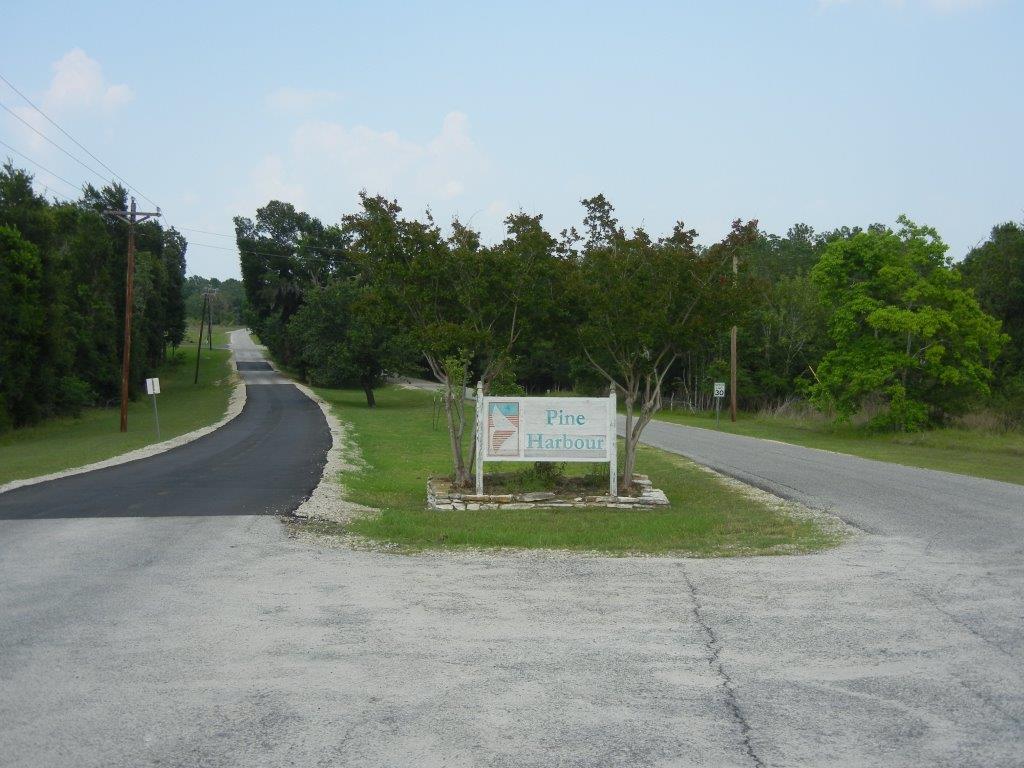
52401 166 Pine Harbour Lot 34, BL 7 of Cape Royale Pine Harbour 0.182
52366 14 Clearwater Lot 106, BL 6 of Cape Royale, Pine Harbour 0.201
52208 Pine Harbour Lot 15, BL 3 of Pine Harbour sec of Cape Royale 0.206
52193 69 Piping Rock PL Lot 12, BL 2 of Cape Royale-Pine Harbour Sec 0.228
52241 43 S Pine Harbour Drive Lot 12, BL 4 of Cape Royale Pine Harbour Sec 0.194
52346 169 Pine Harbour Lot 86, BL 6 of Cape Royale, Pine Harbour Sec 0.179
52355 18 Timberon Lot 95, BL 6 of Cape Royale, Pine Harbour Sec 0.187
52126 Ash Park Lot 4,  Forest Cove Section of Cape Royale 0.206
52186 16 Piping Rock Lot  5, BL 2 of Cape Royale, Pine Harbour Sec 0.226
52253 105 Pine Harbour Lot 24, BL 4 of Cape Royale, Pine Harbour Sec 0.205
52252 27 Pine Harbour Lot 23, BL 4 of Cape Royale, Pine Harbour Sec 0.232
53785 n/a Lot Reserve, Cedar Lake Estates n/a
60021 Thornwood Lot 755, BL 1 of Holiday Shores Subdivision 0.202
79883 Mallard Lot 128, BL 1 of Wile Bird Subdivision, Section 1 0.146
57296 Fox Run Lot 18, of Foxes Runs, Section 2 0.667
57291 Fox Run Lot 14 of Foxes Runs Section 2 (.1793 acres) 0.179
57265 Wild Fox Lot 71 of Foxes Runs, Section 1 (.19443 acres) 0.194
68923 Willie Mae Lot 20, Ivanhoe Woods, Section 1 0.115
77246 Glen Lot 5, BL 3 of Riverview Terrace, Section 2 0.154
77195 Spring Ridge Lot 9, BL 3, of Riverview Terrace, Section 4 0.161
56900 John Lot 1, Bl 3 of Flooding Wells, Section 4 0.123
58069 Hidden Cove Lot 52, BL 2 of Hidden Coves Subdivision, Sec 1 0.183
80647 Oak Lot 326,Section 2 of Woodlands Lake 0.138
41509 n/a Lot 24, BL 6, one acre of land 1
40123 n/a A011 John Crippen, Tract 20, Acres .16 0.16
44142 n/a  A042 Robert Rankin, Tract 214, Acres 0.25 0.25
Totals 7.892

Lots available at $4,500.00 per lot or make your Best Offer

$499.00 closing fee

285 299 304ScreenHunter_4341 Jan. 06 15.58

NJ millennials drive apartment building surge

NJ millennials drive apartment building surge

LINKEDIN 1 COMMENTMORE

New Jersey developers during the past three months received the most building permits since the 1980s housing boom, a report released this week said.

The surge was led by demand for apartments, mostly in cities. Single-family housing permits declined in May, said Patrick J. O’Keefe, director of economic research for the CohnReznick accounting firm.

“What we’re seeing now is a shift in (attitude about) home ownership,” O’Keefe said.

The report is the latest sign that New Jersey is making a transition. The millennial generation, unlike their predecessors, is gravitating from the suburbs toward cities, where they can live, work and entertain without hopping in the car.

It is helping New Jersey’s economy belatedly catch up with the nation. After grinding to a virtual halt in 2014, the state’s economy is showing signs of life in 2015, according to a string of recent reports.

Investors Bank said it originated a record $1.2 billion worth of commercial real estate mortgages in New Jersey, New York and Pennsylvania during the first four months of the year. The majority were for multifamily homes.

“We have a solid pipeline of financing deals despite the increased competition from a growing list of lenders,” said Rich Spengler, chief lending officer for the Short Hills-based bank.

New Jersey municipalities from January through May approved 12,798 permits, up 19.2 percent than the same time a year ago, O’Keefe said.

It was the most since August 1988. The difference? Back then, the permits were evenly divided between single-family homes and multifamily homes. Now, nearly 70 percent are for multifamily homes, O’Keefe said.

To baby boomers, home ownership was a bedrock. To millennials, who lived through the housing meltdown, it isn’t, O’Keefe said.

“They recognize … and have a strict view that housing is first and foremost about a necessity than an investment,” he said.

Michael L. Diamond; 732-643-4038; mdiamond@gannettnj.com